Building a Shadcn-based tokenized design system in 5 weeks — then shipping the platform's first dashboard iteration in 3 — for an AI infrastructure startup preparing for its first investor demo.
A Metal-as-a-Service startup making AI infrastructure accessible to enterprises and cloud providers — without capital-intensive investments in physical servers.
The platform was headed toward investor demos and early enterprise presentations — it needed to look and function like a production product, fast.
The startup's goal: make AI capabilities accessible and scalable without requiring clients to invest in physical servers or data centers — network-delivered, on-premise performance.
There was no design foundation. No component library, no token system, no established visual language. The engineering team was building in parallel — meaning design decisions made in week 1 would directly affect how fast the product could be built and how consistent it would look across features.
Sole UX/UI designer on the project — working across research, system design, wireframes, high-fidelity prototypes, and developer handoff. The design system and the dashboard had to happen simultaneously, in parallel with active engineering development.
Building a credible enterprise platform without a design system is building on sand — inconsistency accumulates, handoff breaks down, and every feature starts from scratch.
The engineering team was building in parallel — but without a design foundation, each feature risked developing its own visual language. Component inconsistency would accumulate into a product that looked unfinished, making it harder to demo credibly to investors or close early clients.
At the same time, the first dashboard — the product's primary value surface — needed to be designed, prototyped, and handed off quickly. There was no runway to build the system first and then start on the product. Both had to happen together.
Research had to move fast — covering both the user and the competitive landscape before a single component was designed.
Research confirmed the system-first approach: using Shadcn as a structural base and tokenizing it fully meant the components were native to this product's needs from day one. Optimized for data-dense dashboards, dark/light switching, and enterprise accessibility standards.
The fastest path to a credible product was to build the foundation right — not to skip it.
Design system shipped in week 5. Dashboard shipped in week 8. Both delivered on a live engineering build.
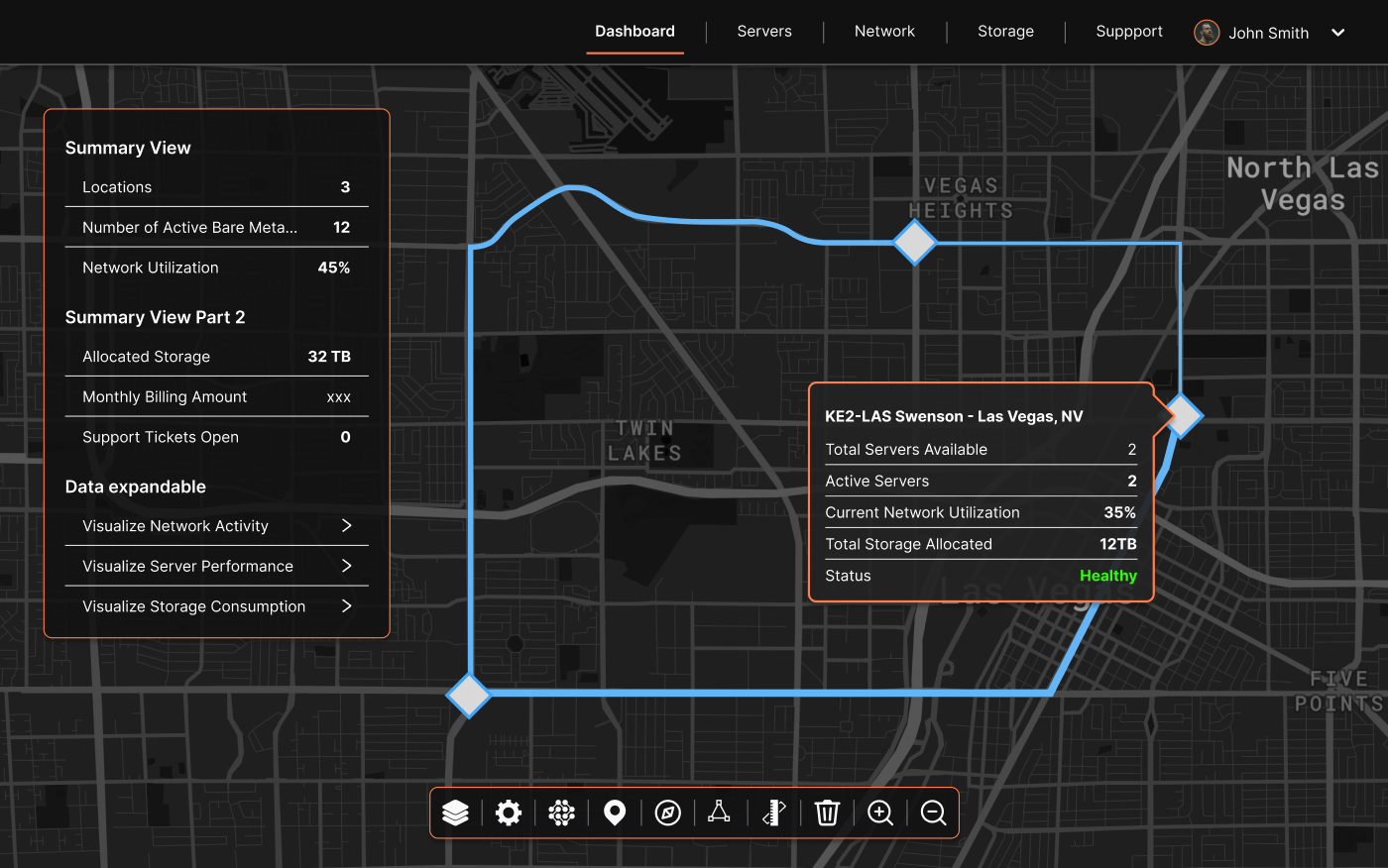
Built on Shadcn as a foundation — fully tokenized with semantic color roles, custom typography scale, spacing system, and extended component library. Dark and light modes live at the token level, not the component level — ensuring both themes are always in sync.
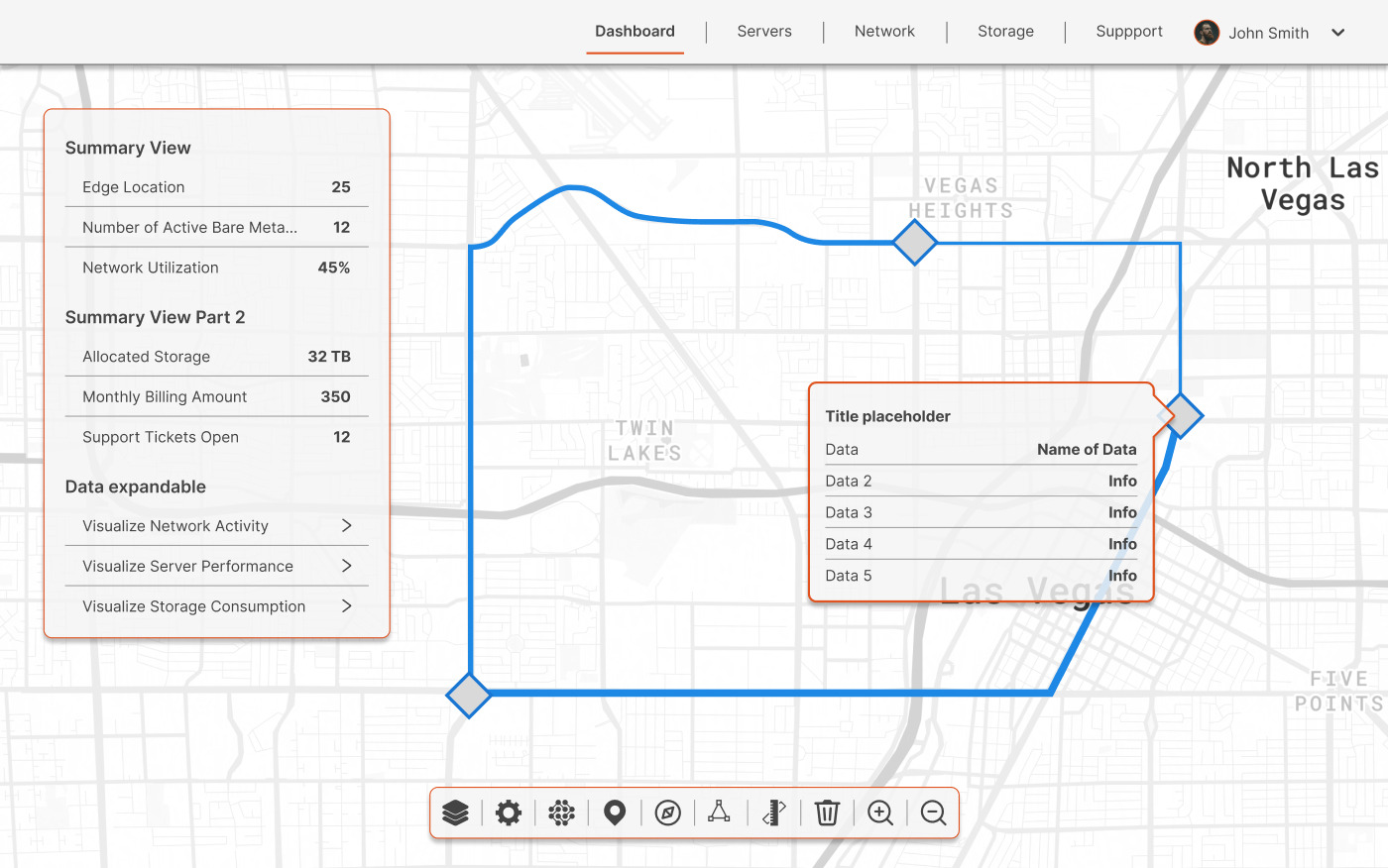
Designed and shipped the platform's first dashboard in 3 weeks — covering resource mapping, workload status, and core data views. Built on the system's component library from day one — no visual debt from the start.
Both modes shipped simultaneously. Updating a semantic token updates both themes at once — eliminating the "we'll add dark mode later" pattern that creates technical debt.
Every component delivered with precise specs, token references, interaction states, and edge cases. Reduced back-and-forth with engineering and contributed to the 25% velocity improvement across the project.
Speed, consistency, and demo-readiness — delivered under startup constraints.
Shadcn-based tokenized system — extended with custom color roles, typography scale, and components — with full dark/light support.
First dashboard iteration including resource mapping and core data views — built on system components from day one.
Building on the system from day one meant no inconsistencies to patch — every feature started from a shared foundation.
Designing the interface for a platform that delivers AI — and what that means for how the design system itself is built.
AI infrastructure platforms surface vast amounts of real-time data. Without a design system that enforces hierarchy and density standards at the token level, data-dense UIs collapse into noise. The token architecture was designed specifically to handle high-information environments.
A well-structured token system is the prerequisite for AI-assisted design tooling. When every visual decision maps to a named token — not a hardcoded value — AI code generation, design-to-code tools, and future component suggestions can work reliably.
The platform delivers AI capabilities as a service — meaning the UX needs to make complex, real-time AI infrastructure legible to enterprise operators. Translating technical complexity into clear, actionable interfaces is the core design challenge — and it only gets more important as AI infrastructure scales.
When you build the foundation, you understand every decision that comes after it.
Moving fast without a design foundation means every fast decision creates cleanup work later. The 5-week system investment paid back in every feature that followed — no inconsistencies to patch.
Naming tokens semantically — bg-surface, text-muted, border-subtle — creates a shared vocabulary between design and engineering. When the same language appears in Figma and in code, handoff becomes alignment instead of translation.
The goal was never "we support dark mode" — it was that users would never notice they'd switched. When tokens handle the transition, both modes feel like the same product in different lighting.
Working pre-Series A means every design decision serves two audiences: the investor in the room today, and the enterprise client scaling the product next year. The system had to credibly serve both — and it did.
This project was completed under NDA — client name withheld. Screenshots available upon request with brand identity removed. Platform shipped to internal production; external launch pending fundraising milestones.